
 Editorial Team
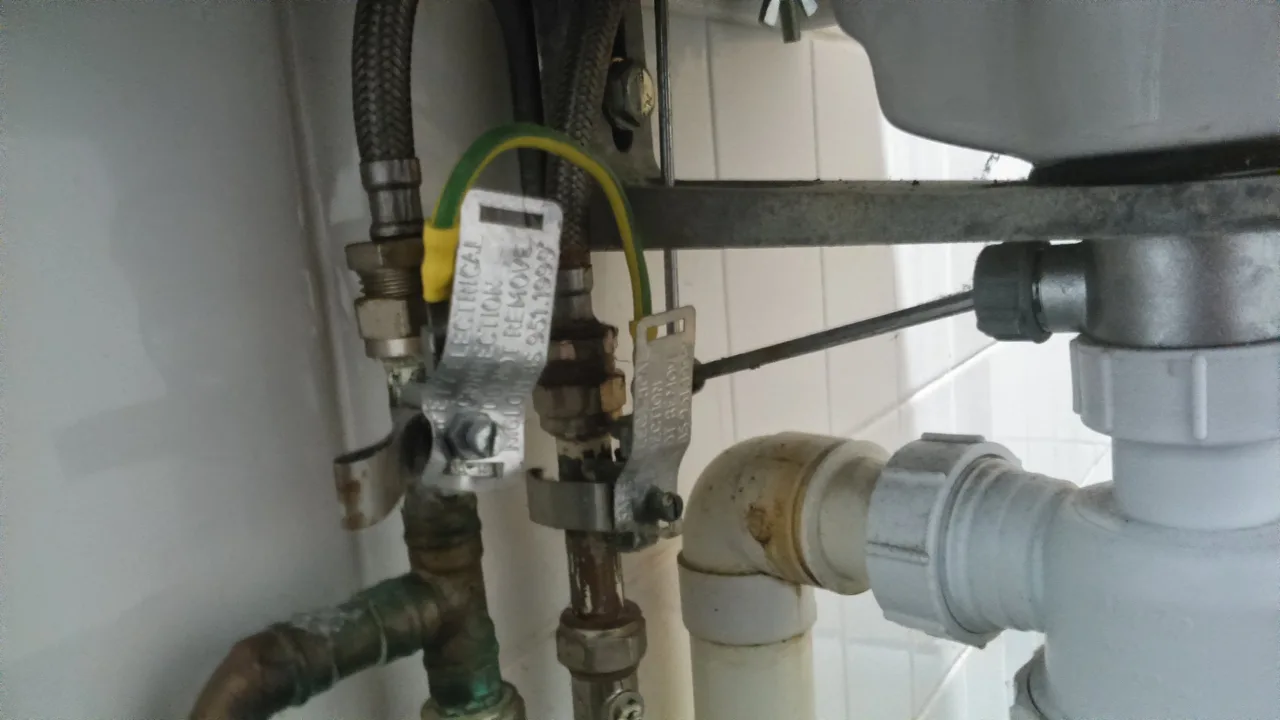
Water damage does not always begin with a burst pipe or a flooded room. In many homes, the first warnings are quieter: a damp patch on a wall, an unexplained rise in water use, a musty smell, or a meter that keeps moving when every tap is closed. Those small details can point to a hidden leak that has been developing for days or weeks.
Water rarely appears exactly where a damaged pipe sits. It can travel through walls, under floors, and along structural materials before it becomes visible. Knowing the early signs, responding calmly, and getting a focused inspection can keep a minor plumbing problem from turning into a large repair.
Why the Wet Spot May Not Be the Leak
Visible leaks are usually straightforward. A dripping connection under a sink or a damaged hose behind a washing machine gives you an obvious starting point. Hidden leaks are different because the affected pipe may be behind plaster, under tiles, inside a ceiling, or beneath a floor screed.
Water follows the path of least resistance through building materials. A damp mark in the living room might come from a bathroom pipe on the floor above. Moisture near a kitchen cabinet may come from a supply line in the wall. It is risky to assume that the visible wet area is the actual source. Repairing the wrong place wastes time and money while the leak continues.
Early Signs Worth Checking
A sudden drop in water pressure can indicate a problem in the supply system. If several taps produce a weaker flow than usual, a leak or another issue in the pipe network may be responsible. Pressure changes can also come from the municipal supply, a faulty valve, or another plumbing fault, so consider the whole system before deciding.
Discoloration, bubbling paint, peeling wallpaper, and soft plaster can all indicate moisture behind a surface. These marks may slowly grow if water keeps escaping. Pay particular attention to areas near bathrooms, kitchens, radiators, and other plumbing, including a damp ceiling directly below an upstairs bathroom.
A simple meter check can also help. Close all taps and make sure appliances that use water are not running, then watch the meter. If it continues to register consumption, water may be escaping somewhere in the installation. The test does not locate the leak, but it can show that further investigation is warranted. Hissing, running, or dripping sounds when nobody is using water are easier to notice at night. Sound alone cannot confirm a leak, but persistent unexplained noises deserve a closer look, especially when they come with pressure changes or visible moisture. A musty smell in a room, cupboard, or corner may indicate trapped dampness, which can encourage mold and make the space less comfortable. Moving furniture away from an affected wall can reveal marks that were hidden.
What to Do If You Suspect a Leak
Approach a suspected leak calmly. If you think there is an active leak in the domestic supply, close the main water valve. It is commonly near the meter, in a basement, or in a utility area. If water is close to sockets, appliances, or the electrical distribution board, do not walk through the wet area or touch electrical equipment. Switch off the affected circuit only if you can do so from a dry, safe location. If there is an immediate electrical danger, stay away and contact the appropriate emergency service.
Photograph visible moisture, damaged surfaces, and affected belongings. Note when you first noticed the problem and whether the area has grown. Those details can help a technician, and they may also be useful when you contact an insurer. If you rent, tell the landlord or property manager promptly. Owners should check their policy and ask what documentation the insurer needs.
Finding a Hidden Leak Without Opening Everything
Finding the exact source of a concealed leak is often harder than locating a visible drip. A technician can narrow down the affected section before anyone opens walls or floors. The work usually starts by checking the plumbing system and isolating sections to see whether the loss is on the hot-water or cold-water supply. Further investigation may include pressure testing, moisture measurement, and acoustic listening. Escaping water can produce sounds that are clearer near the damaged section. Combining those observations helps limit the area that needs to be opened.
That approach is especially useful when the source is behind a wall, under bathroom tiles, or inside a floor. Rather than removing large sections of plaster or flooring at the outset, the technician first identifies a smaller area that requires access. Once the location is established, the damaged section can be exposed, repaired, and tested. Complexity varies: a visible connection in a utility room is usually simpler to diagnose than a leak under a tiled bathroom floor, and a pipe running in the ground outside the house can take longer because the route is longer and soil can hide the path.
Small Habits That Catch Problems Earlier
Homeowners should know where the main shut-off valve is and confirm that it can be operated when needed. In colder months, exposed pipes in unheated spaces deserve extra attention because freezing water can split pipework. Insulating vulnerable sections and keeping those rooms from getting too cold reduces that risk. It is also worth checking the meter occasionally when no water is being used. An unexplained change in consumption can be an early sign that something is wrong.
Hidden leaks are easy to overlook because their first signs are often subtle. A damp patch, unusual pipe noise, unexplained water use, or a persistent musty smell all deserve attention. Investigate early, limit water use where necessary, and avoid opening walls or floors until the likely source is better identified. Acting promptly can be the difference between a manageable plumbing repair and a much larger restoration project.