
 Leah Carter
Most people comparing a robot vacuum with a wet-dry vacuum start with suction numbers. That is usually the wrong first question. The two machines rarely do the same job. A robot vacuum is built to keep ordinary dust, crumbs, and hair from piling up through regular, automatic runs. A wet-dry vacuum is built for messes that have already happened: spills, muddy prints, and sticky patches. Choosing well means matching the machine to the dirt your home actually produces, and to how much time you will really spend using it.
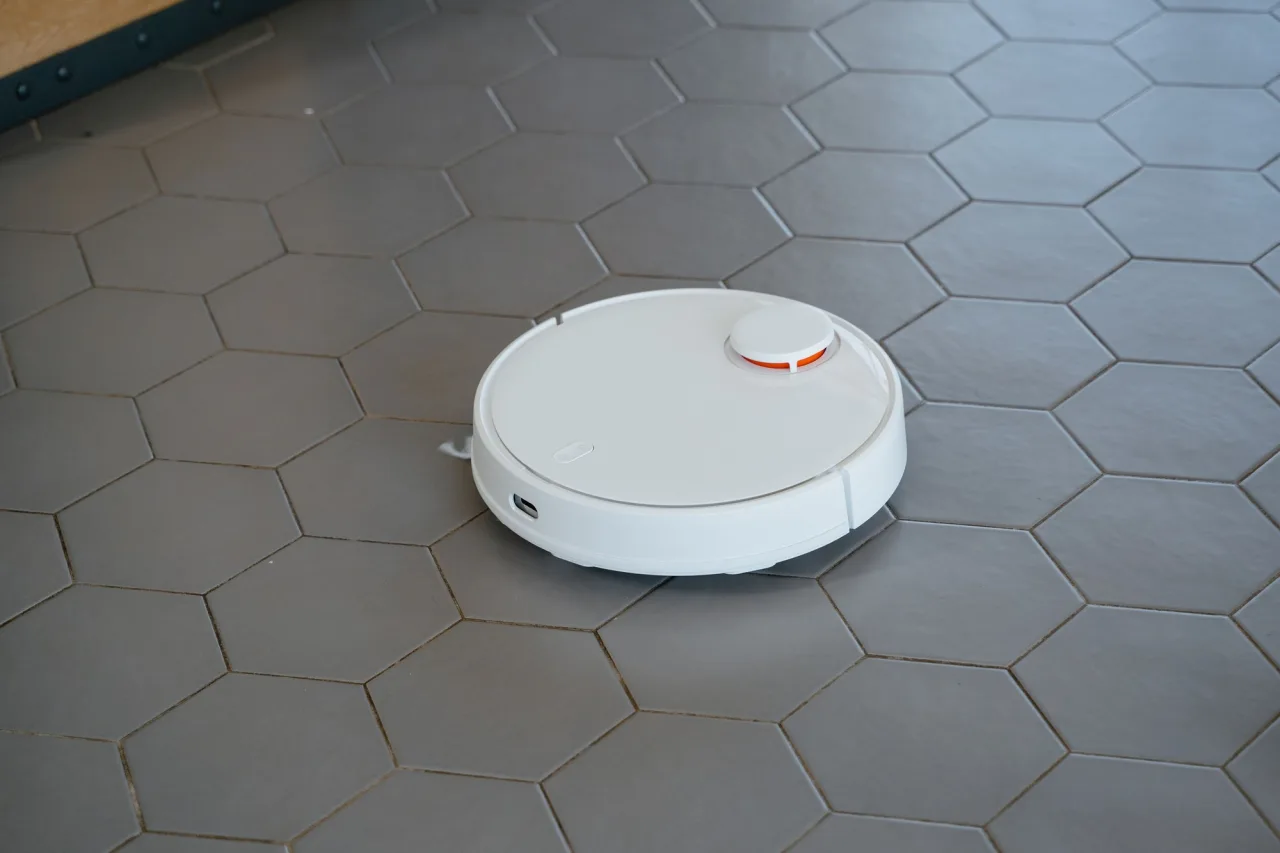
A robot vacuum is a compact, usually round machine that moves around a home on a schedule or at the press of a button. It is at its best on daily dry debris, including the dust that collects under beds and sofas. A wet-dry vacuum is pushed by hand. It can pick up dry dirt and liquid, and many models also wash a hard floor with a brush and a clean-water tank, storing the dirty water separately. Fresh spills come up more easily than stains that have already dried.
What each machine does well, and where it falls short
Regular use matters more than a spectacular specification on a box. A modest robot that runs most days can keep floors in better shape than a more powerful machine that comes out twice a month. Robots also work while you are out, which is the main practical advantage. Their limits are real. Most robot “mopping” is a light pass with a damp pad, not a deep scrub. Cables, socks, and small toys can stop them. Edges and tight corners are often missed, so an occasional manual clean is still needed.
Wet-dry vacuums are stronger on kitchen spills, muddy paw prints, and sticky film. You control the pace and can repeat a stubborn spot. Floors usually end up less wet than after a conventional mop and bucket, because the dirty water is lifted rather than spread around. The cost is effort: someone has to push the machine, empty the dirty tank, and rinse the parts. If those steps are skipped, a sour smell can follow.
Thick carpet is hard work for many robots, and some wood or laminate floors should not be wet-cleaned at all. Check the floor maker’s advice before you use water on them. Hard floors such as tile are usually the easier common ground for both types of machine.
How to decide, including pets and mixed dirt
A simple week-long note of what you actually clean up is more useful than a comparison chart. If the list is mostly dust, crumbs, and hair, a robot will probably be used. If it is mostly spills and sticky spots, a wet-dry vacuum will probably be used. A machine that gets used beats a stronger one that stays in a cupboard.
Pets often produce both kinds of dirt. Shedding favours a robot’s daily dry passes. Muddy paws favour a wet-dry vacuum. Many households with both problems are better served by using both: the robot handles the daily dry load, and the wet-dry machine comes out once or twice a week, or after a messy incident. Loose dirt is already gone by then, which makes the wet clean easier.
A small, simply furnished flat may need only a robot. A busy kitchen with children or frequent spills may need the wet-dry machine first if the budget only allows one purchase. Price is only part of the comparison. Filters and brushes wear out on both types; replacing them on time matters more than chasing a higher suction figure. Hours you will not spend cleaning have a value, but only if the machine is actually run and maintained.
Floors still have to be cleared of the clutter that defeats a robot, and a wet-dry vacuum still needs a place to be emptied and dried. If carpet is a large part of the home, a robot or a wet-dry model should be checked against that carpet specifically, because performance varies widely. A same-site guide to carpet cleaning that Fort Wayne homeowners actually rely on is a useful companion when the floor that matters most is carpet rather than hard tile.
A conservative buying sequence
A few practical details decide whether a robot will actually finish a run. It needs a clear docking point, a floor that is not broken by high thresholds, and no-go areas around pet bowls, cables, and loose rugs. Mapping and virtual barriers, where the model offers them, are more useful than a slightly higher suction figure if the machine otherwise wanders into a cord. Dark or very shiny floors can confuse some sensors; check the official manual rather than assuming every hard floor is fine. If you also want light mopping, look at how the water tank is filled and emptied, and whether the pad has to be washed after every run. A pad left damp in the dock is a routine source of smells.
Noise matters if you plan to run the robot during calls or a child’s nap. A wet-dry vacuum is louder and only runs while you are there, which is easier to plan for and harder to ignore. Keep a simple maintenance list for either machine: empty the bin or dirty-water tank, rinse filters as the maker allows, cut hair from brushes, and replace a worn part before the motor starts sounding strained. Those habits, more than a launch-day specification, decide whether the purchase still looks sensible a year later. If you already own a decent stick vacuum, you may only need the robot for daily dry work, or only the wet-dry machine for the kitchen, rather than both at once.
None of this is a reason to ignore a floor that is mostly carpet.
If you live in a multi-storey home, think about how the machine will move between floors. Most robots will not climb stairs, so a dock on one level only covers that level unless you carry the unit yourself. A wet-dry vacuum can be carried, but it is heavier once the tanks have water in them. Those constraints are ordinary, and they often decide the purchase more honestly than a marketing clip of a machine crossing a single open-plan room.
None of this is a reason to ignore a floor that is mostly carpet. A robot designed for hard floors will disappoint on a thick pile, and a wet-dry washer is the wrong tool there anyway. In that house the comparison changes: you may want a robot that is explicitly rated for your carpet type, plus a separate method for any hard-floor spills, rather than a two-in-one promise that does neither job well. Read the official specification for carpet height, and test a returnable unit if the seller allows it, before you commit.
Start with the mess you see most often, not with the product that has the longest feature list. Confirm that wet cleaning is safe for your floors. Plan for consumables and for a emptying-and-drying habit you will keep. If you can afford only one machine, buy the one that matches this week’s dirt. If you can afford both, let the robot do the daily dry work and keep the wet-dry vacuum for the jobs a light mopping pad will not finish. Neither machine replaces the need to pick up cables and toys, and neither one is a substitute for checking a floor’s care instructions.