
 Daniel Foster
How an AC Compressor Works
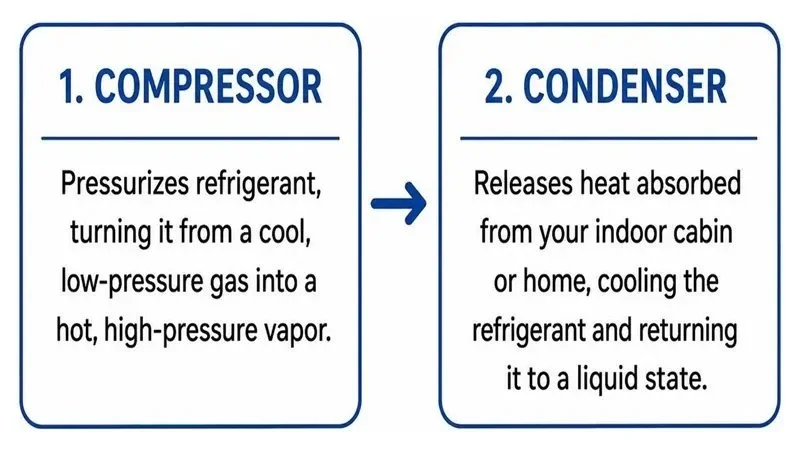
At its core, the AC compressor serves as the heart of your air conditioning system, whether it is installed in a residential central air unit or under the hood of a vehicle. Its primary function is to pressurize the refrigerant, turning it from a cool, low-pressure gas into a hot, high-pressure vapor. This pressurized gas then travels to the condenser, where it releases the heat absorbed from your indoor cabin or home, allowing the refrigerant to cool down and return to a liquid state to begin the cycle again.
In a vehicle, this process is powered by the engine via a serpentine belt. The compressor features an electromagnetic clutch that allows the pulley to spin freely when the AC is turned off, engaging only when you switch on your cooling system. In contrast, home systems rely on electrical power and capacitors to initiate the compression cycle.
Because these systems operate under extreme physical pressure, they rely on sealed bearings and specialized lubricants to function smoothly. Over time, these components can face wear due to heat, debris, and the constant stress of the compression cycle. Maintaining the integrity of these parts is essential, as even minor issues, such as a worn bearing or a failing clutch, can lead to a complete system lock-up.
Home System Maintenance
Maintaining your home outdoor unit is one of the most effective ways to reduce strain on the compressor. When the outdoor unit is clogged with dirt or obstructed by foliage, the compressor must work significantly harder to dissipate heat, which shortens its lifespan.
To clear the perimeter, ensure there is at least two feet of clearance around your outdoor unit. Trim back any shrubs, grass, or weeds that might block airflow. Clean the coil fins, as the thin aluminum fins on your condenser coil are vital for heat transfer. If they are bent or covered in dust, efficiency drops. You can use a specialized fin comb to gently straighten any bent fins.
Inspect the air filters regularly. While the filter is usually located indoors, its condition directly impacts the compressor. A clogged filter restricts airflow, causing the system to overwork. Replace these every one to two months. Clear condensate drains because if your drain line is clogged, moisture can back up into the system, potentially causing electrical shorts or internal damage. Use a stiff wire or a wet-dry vacuum to clear any debris.
Monitor electrical components carefully. If you notice your unit struggling to start or hear clicking sounds, the capacitor may be failing. Because electrical issues are complex, following a professional AC compressor maintenance schedule ensures these parts are tested safely.
Vehicle AC Care
Your vehicle AC system is exposed to harsher environments than your home unit, including road salt, moisture, and extreme engine temperatures. Even during the cooler winter months, run your air conditioner for at least ten minutes every week. This keeps the internal seals lubricated and prevents the refrigerant hoses from hardening or cracking.
Periodically using your vehicle defrost setting helps remove moisture from the ventilation ducts, preventing the growth of mildew and keeping the compressor active. Since the compressor is driven by the engine serpentine belt, a loose or cracked belt can prevent the compressor from reaching the necessary speed to cool the cabin. Check your belt for signs of fraying or glazing, and request a specific AC system check during your regular oil changes every 24 months, as mechanics do not always include this in a standard inspection unless you ask.
Warning Signs of a Failing Compressor
Recognizing the early symptoms of a failing compressor can save you from a total system breakdown. If you notice unusual noises like grinding, squealing, or rattling sounds coming from the outdoor unit or engine bay, they often indicate a failing bearing or a seized clutch. Warm air blowing from your system means the compressor may be failing to pressurize the refrigerant properly. Frequent breaker tripping in homes indicates the AC unit is drawing too much electrical current, signaling an internal motor issue. If your home or car takes significantly longer than usual to reach the desired temperature, the compressor is losing its efficiency.
A locked compressor means the internal components have seized, usually due to a lack of lubrication or extreme overheating. Low refrigerant is a common trigger because refrigerant carries the oil that lubricates the compressor, and a leak reduces this lubrication, leading to metal-on-metal friction. Acid buildup occurs if moisture enters the system, reacting with the refrigerant to form acids that degrade internal parts. Airflow blockages prevent the condenser from releasing heat, forcing the compressor to run at temperatures far beyond its design limits and leading to premature failure.
Repair or Replace?
Deciding whether to repair or replace a compressor is a significant financial choice based on the age of your system and the cost of the repair. Under the ten to fifteen year rule, if your AC system is over ten to fifteen years old, the cost of a major repair is often better spent toward a new, more energy-efficient system. Under the fifty percent rule, if the estimated cost of repairs exceeds fifty percent of the price of a brand-new compressor assembly, replacement is almost always the more cost-effective long-term solution.
While costs vary based on the make and model of your equipment, minor repairs like replacing a capacitor, relay, or fixing a minor refrigerant leak are generally the most affordable route. Labor is a major cost factor because installation is labor-intensive, involving evacuating the refrigerant, replacing the unit, and recharging the system. A full replacement includes the compressor, the accumulator or filter-drier, and often the expansion device to ensure the new unit is not contaminated by old debris. You can review additional resources on AC compressor maintenance for more guidance on these costs.
Common Questions
For professional service, experts recommend a professional tune-up at least once a year, ideally before the peak of the summer heat. A technician will check the refrigerant levels, test for leaks, and verify that the electrical components are operating within safe parameters.
If an AC compressor clutch fails, the compressor may not engage at all, resulting in no cooling. Conversely, if the clutch stays permanently engaged, the compressor will run constantly, leading to rapid wear and potential damage to the drive belt or the compressor itself.
A damaged AC compressor can also cause higher electricity bills. A struggling compressor often works harder to achieve the same cooling effect. If the internal pressure drops or the motor is straining, your system will consume significantly more power to compensate, leading to a noticeable spike in monthly utility costs.
Your air conditioning system is a complex piece of machinery that relies on the consistent performance of the compressor. By keeping the area around your outdoor unit clean, replacing your filters on schedule, and listening for early warning signs like grinding or squealing, you can prevent minor issues from becoming major repairs.
Proactive care is the most effective way to manage your home comfort costs and ensure that your system is ready when the temperature climbs. Whether you are performing routine cleaning or deciding if it is time for an upgrade, staying informed is the best way to protect your investment. For further assistance in keeping your system running at its peak, consider scheduling a professional inspection to address any concerns before they impact your comfort.