
 Leah Carter
Yes, commercial properties need grounds maintenance all year, not just summer mowing. Year-round care protects curb appeal, cuts safety risks, preserves expensive plantings, and keeps costs predictable.
The exterior is the first thing clients, tenants, and visitors judge. Neat turf and clean walkways signal a well-run operation. Overgrown beds and debris erode confidence before anyone reaches the door.
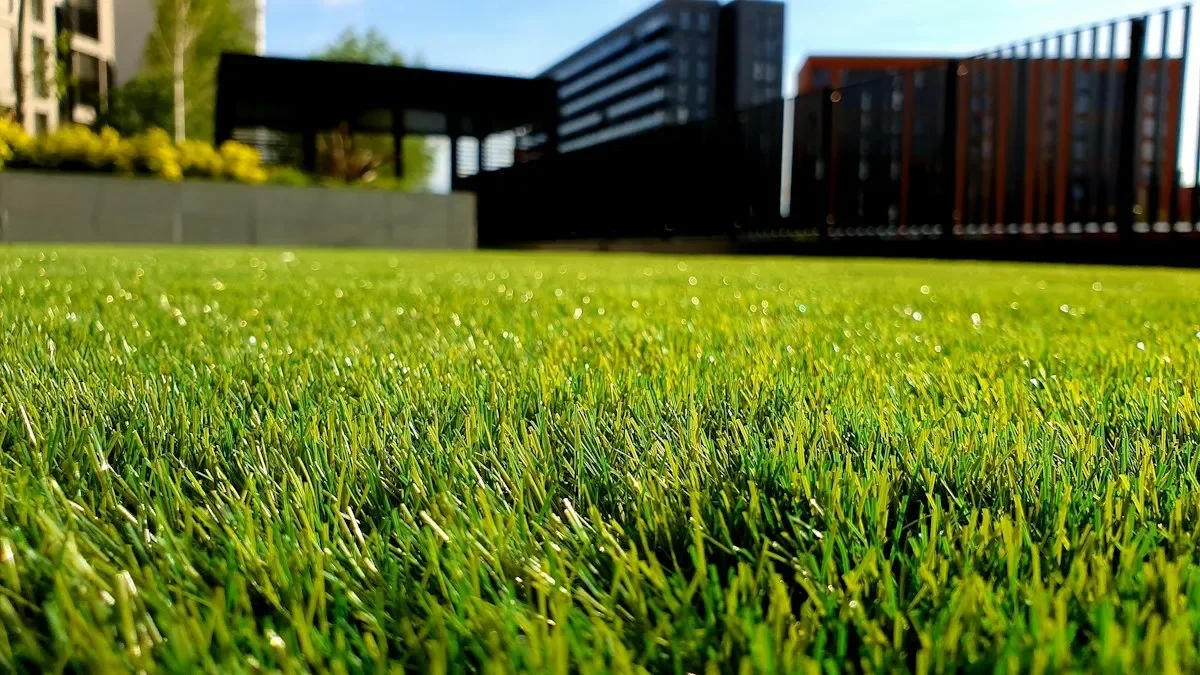
Plants, soil, and weather change every quarter. Sporadic mowing in warm months can’t keep up. A year-round program lets managers protect capital, keep curb appeal steady, and fix hazards before they become liabilities. It turns landscaping from an unpredictable cost into a planned operating asset.
Four Reasons Year-Round Care Pays Off
- It wins and keeps tenants. Office parks, retail plazas, industrial sites, and healthcare facilities all compete for quality occupants. Neglect suggests the inside may be poorly run too. Seasonal color, edged walkways, fresh mulch, and prompt leaf removal keep the site polished.
- It reduces safety risks. Dead branches can fall in wind or snow. Overgrown shrubs block walkways, sightlines, cameras, and lights. Wet autumn leaves can be as slick as ice. Proactive pruning, sightline clearing, and fast debris removal head off injuries, property damage, and insurance claims.
- It protects your landscaping investment. Trees, ornamental shrubs, turf, and irrigation all need steady care. Replacing mature trees or dead turf costs far more than routine upkeep.
- It keeps budgets steady. Small problems caught early don’t turn into major repairs.
What Each Season Requires
| Season | Key tasks |
|---|---|
| Spring | Aeration, pre-emergent weed control, irrigation startup |
| Summer | Watering management, correct mowing heights, disease treatment for heat stress |
| Autumn | Deep-root fertilizing, perennial cutbacks, protective mulch, leaf removal |
| Winter | Structural tree pruning, bed edging, plant protection |
Skipping a season breaks the cycle. Plants become more vulnerable to pests, fungal disease, and drought stress.
How Small Problems Become Big Bills
Reactive maintenance almost always costs more. An unnoticed irrigation leak can wash away topsoil, undermine asphalt, and spike water bills. Invasive weeds or turf fungus can wipe out thousands of square feet of grass in weeks.
Regular crews spot early signs of plant stress, drainage trouble, or wear. A contract with fixed monthly costs turns landscaping from a surprise expense into a planned line item.
Choosing a Grounds Partner
Ask potential contractors for a written seasonal plan, not just a mowing schedule. It should list what happens each quarter, how often crews visit, and how they report problems. Check that they carry proper insurance and can respond quickly after storms. Clear reporting makes it easier to plan budgets and show owners what the money buys.
Quick Checklist for Property Managers
- Walk the grounds monthly and note hazards, dead plants, and drainage issues.
- Keep sightlines clear at parking lot intersections, cameras, and lights.
- Schedule tree pruning during dormancy, before storm season.
Warning: don’t let leaves or overgrowth block walkways or accessible routes. Clear them promptly to meet local accessibility codes and reduce slip-and-fall claims.