
 Daniel Foster
Homeowners often get better results from a nearby pest control team because local technicians know the area’s pests, respond faster and tailor treatment to local conditions. Speed and local knowledge matter most when an infestation can grow in weeks.
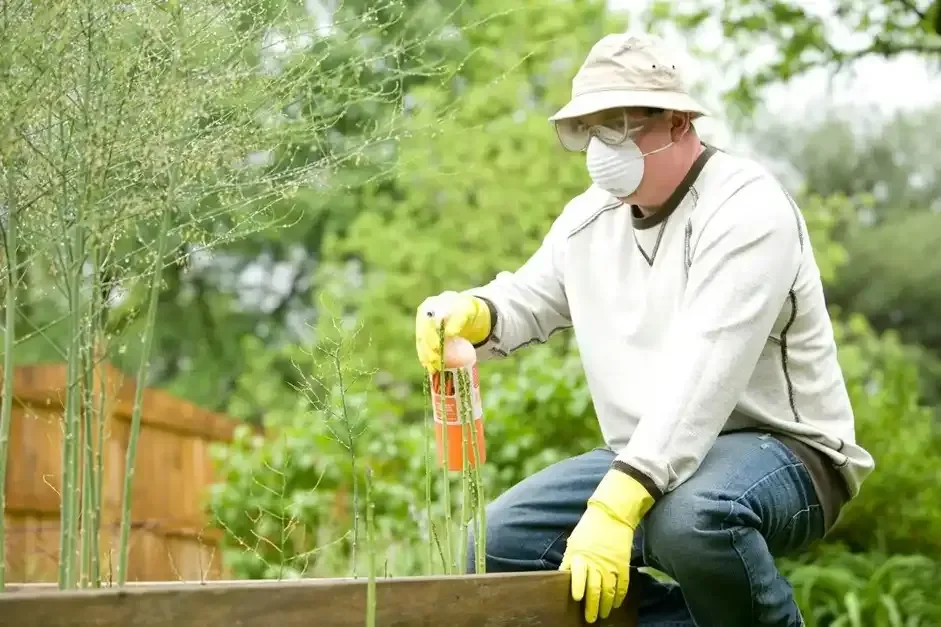
Pests are more than a nuisance. They can damage structures, contaminate food and affect health. That’s why many households now prefer local providers over large national chains.
Local vs National: Key Differences
A nearby team knows regional species and their lookalikes, while a large national provider may rely on general protocols. Local crews anticipate humidity and temperature patterns; national schedules are often set centrally. A short drive means faster inspections and callbacks, where a big chain’s response depends on regional coverage. And local treatment plans tend to be fitted to your home, yard and climate rather than following more standardised programmes.
They Know Which Pest It Really Is
Correct identification is half the battle. A local technician can tell carpenter ants from ordinary ants and choose the right treatment from the first visit, avoiding trial and error. The wrong product can scatter a colony or leave the real source untouched, which costs you more time and money in repeat visits.
They Understand Local Seasons
Pest activity follows regional patterns. A team that knows when humidity rises or temperatures shift can apply preventive treatments before problems peak, protecting your home year-round. For example, they’ll know when ants start foraging indoors after spring rains, or when rodents begin looking for warm shelter as autumn nights turn cold.
They Can Get There Fast
Being close means quicker inspections, scheduled visits and emergency call-outs. That speed matters with fast-breeding pests. Cockroaches, for example, reproduce rapidly, and a small population can become a major infestation within months. Local firms can often prioritise nearby clients and book sooner.
Plans Built Around Your Property
Rather than a generic spray schedule, a local provider can account for your home’s construction, the plants around it and the regional climate. A good plan also considers the safety of children, pets and the building itself.
Because local teams live in the same environment as their clients, they have a stake in effective, sustainable methods and can adapt quickly when new pest problems appear in the area.
How to Choose a Good Local Provider
- Confirm licensing and insurance required in your area.
- Ask for an inspection and written treatment plan before work begins.
- Check which products are used and what precautions apply to kids and pets.
- Ask about follow-up visits and guarantees.
- Read recent local reviews and ask neighbours which local firms they have used and trusted.
Act Early
Go easy on DIY products: don’t mix chemicals or overuse sprays, and call a professional at the first sign of a spreading problem. Day to day, the cheapest protection is still the simplest. Seal gaps, fix leaks and store food in sealed containers to reduce attractants.